
How to Remove Stains from Clothes: Simple Step-by-Step Guide
BY: DA PUBLISHED: 2026-11-21 14:01:49 | UPDATED: 2026-11-21 14:51:32 | Views: 66
Learn how to remove stains from clothes at home with simple steps, safety notes and a quick chart for coffee, oil, ink, sweat, wot and more.

Everyone gets stains. A drop of coffee, a splash of wot or a smear of ink can show up on a favorite shirt in seconds. The good news is that most fresh stains come out with basic household items and a little patience.
This guide gives you a simple method that works for most fabrics, plus a quick chart for common stains. It also includes safety notes so you protect both your clothes and yourself.
Key takeaways
- Act fast. A fresh stain is much easier to remove than a dried one.
- Blot, never rub. Rubbing pushes the stain deeper into the fibers.
- Read the care label first, and test any product on a hidden spot.
- Use cold water to begin with. Heat can set many stains permanently.
- Check that the stain is gone before using a dryer or iron.
- Never mix cleaning products, especially bleach with anything else.
Step 1: Check the care label and the fabric
Before you treat anything, look at the care label inside the garment. It tells you the safe water temperature and whether bleach is allowed. Delicate fabrics such as silk, wool and some embroidered pieces may need dry cleaning.
Traditional cotton garments with decorative borders need extra care too, because colors can run. If the label is missing or you are unsure, take the item to a professional cleaner instead of experimenting.
Step 2: Act fast and remove the excess
The first few minutes matter most. Lift off any solid bits with a spoon or the blunt edge of a knife. Then blot the area gently with a clean cloth or paper towel.
Do not rub. Rubbing spreads the stain and can damage the fabric. Work from the outside edge of the stain toward the center so it does not grow.
Step 3: Rinse with cold water from the back
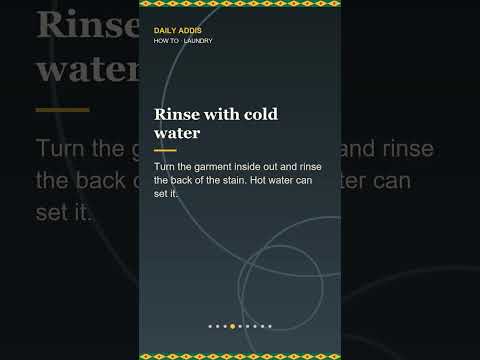
Turn the garment inside out. Hold the back of the stained area under cold running water. This pushes the stain out of the fabric the way it came in, instead of driving it deeper.
If you are away from home, dab the spot with a damp cloth and treat it properly later. Avoid hot water at this stage, since it can lock in stains from food, blood and sweat.
Step 4: Pre-treat with a gentle cleaner
For most stains, a small amount of liquid laundry soap or mild dish soap works well. Apply a few drops directly on the stain and rub it in softly with your fingers or a soft brush.
Let it sit for 10 to 30 minutes. Then rinse again with cold or lukewarm water. Repeat once or twice if the mark is still visible.
Step 5: Use the right method for the stain type
Different stains respond to different treatments. Use this quick chart as a starting point, and always test on a hidden area first.
Video 1 of 1
| Stain | What to try | Avoid |
|---|---|---|
| Coffee or tea | Blot, rinse with cold water, then soak briefly in water with a little mild soap | Hot water at the start |
| Oil or grease (such as niter kibbeh or cooking oil) | Sprinkle baking soda or cornstarch, wait 15 minutes, brush off, then wash with dish soap | Rubbing with water only |
| Turmeric, berbere or other spice stains | Pre-treat with soap, wash, then dry the item in daylight if the fabric allows | Using a dryer before the color fades |
| Sweat or deodorant marks | Soak in a mix of water and white vinegar, then wash as normal | Strong bleach on colored items |
| Ink | Place a cloth under the stain and dab with rubbing alcohol, changing the cloth often | Rubbing, which spreads the ink |
| Mud | Let it dry fully, brush off the dirt, then wash | Wiping while wet |
| Grass | Dab with a little rubbing alcohol on sturdy fabrics, then wash | Using it on delicate fabrics |
A note on oily food stains
Oil stains from stews and fried food are very common. Powders like baking soda or cornstarch soak up the grease before you wash. Give them time to work before you add any liquid.
A note on white clothes
White cotton can often be brightened by drying it in the sun after washing. Sunlight is a gentle, free option. Do this only for items that are safe to dry in direct light.
Step 6: Wash and check before drying
After pre-treating, wash the garment as usual, following the care label. Use the warmest water the label allows, except for stains that need cold water.
Before the item goes into a dryer or near an iron, check the stain. If any mark remains, treat it again. Heat can make a faint stain permanent, so air dry until you are sure it is gone.
Safety notes you should not skip
- Never mix cleaning products. Mixing bleach with ammonia, vinegar or other cleaners can create harmful fumes.
- Ventilate the room. Open a window when using alcohol, bleach or strong cleaners.
- Protect your skin. Wear gloves if you have sensitive skin or use stronger products.
- Keep products away from children and pets. Store them in their original, labeled containers.
- Keep alcohol away from flames. Rubbing alcohol is flammable.
- Test first. Try any product on a hidden seam to check for color loss.
Common mistakes to avoid
The most common mistake is rubbing hard, which damages fibers and spreads the mark. The second is using hot water too early. A third is putting the item in the dryer before checking the stain.
Also avoid using too much product. More soap or cleaner does not mean better results, and it can leave residue that attracts dirt later.
Frequently Asked Questions
Can I remove an old, dried stain?
Often, yes, though it takes more time. Soak the item in cool water with a little mild soap for several hours, then treat and wash it again. Some old stains may fade but not disappear completely.
Is vinegar or baking soda safe for all clothes?
They are gentle for many washable fabrics, but not all. Test on a hidden area first. Avoid both on delicate fabrics unless the care label says it is fine.
Should I use hot or cold water?
Start with cold water. It is safer for most stains, especially food, sweat and blood. You can use warmer water in the main wash if the label allows it and the stain has lifted.
When should I take a garment to a professional cleaner?
Choose a professional for silk, wool, heavily embroidered pieces, or any item that is valuable to you. It is also wise if a stain remains after two careful attempts.
Conclusion
Removing stains is mostly about speed, gentleness and the right order of steps. Blot, rinse with cold water, pre-treat, wash and check before drying.
Keep a small stain kit at home with mild soap, baking soda and a soft brush. With these basics, you can rescue most clothes and keep them looking good for longer.
You May Also Like
Latest Videos
Stop Buying Apartments Blindly: 3 Hidden...
Jul 08, 2026Super Girl Movie 2026 is finally here!
Jul 05, 2026Ethiopian Kitfo
Jul 05, 2026Related Articles

How to Write a CV: A Simple Step-by-Step...
2 weeks ago
How to Make Niter Kibbeh: Ethiopian Spic...
3 weeks ago